What Happens Between Templating and Installation
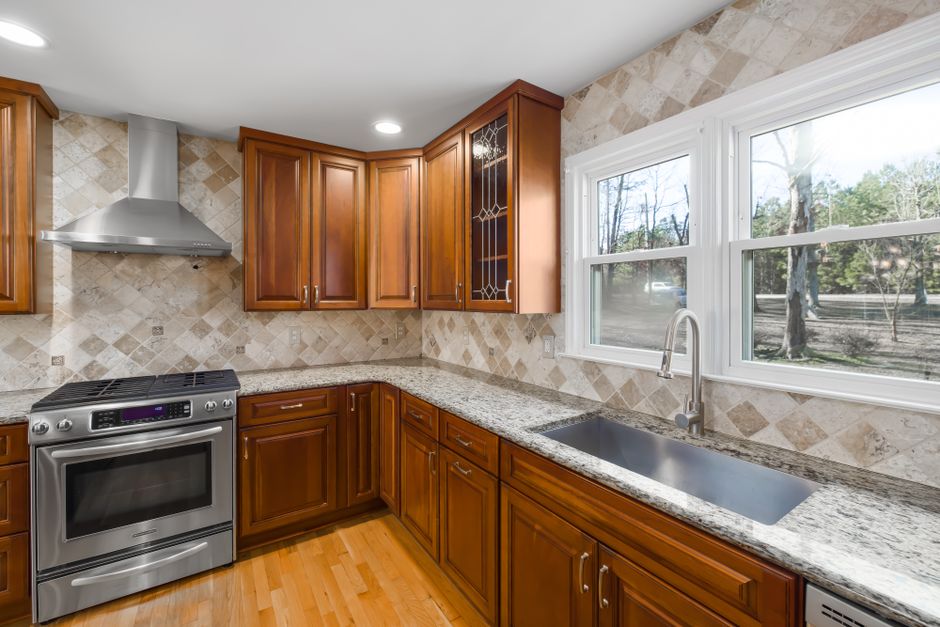
Stone is paid for by the slab, and a slab cut wrong is paid for twice. For custom countertops in Riverside, CA, the order of work runs closer to what custom countertops riverside spam archive describes than to a showroom brochure: template, layout, cut, finish, set, seal. Each step exists to protect the one before it, and most of the money sits in the stone.
Templating
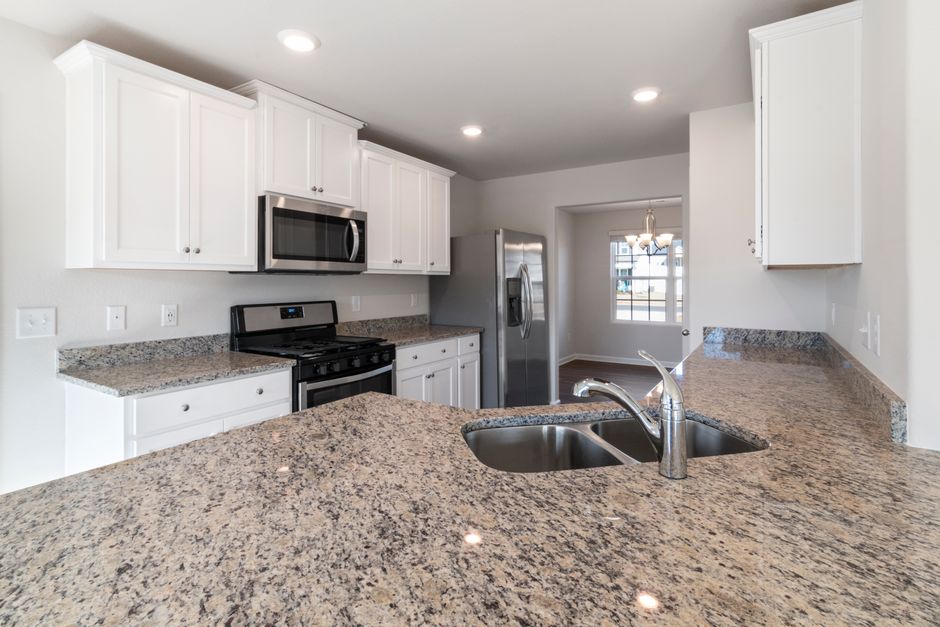
Templating records the exact cabinet layout, the wall lines and the cutout positions. It is done with a digital laser system or with physical template strips, and either way the walls get measured as they are, not as the drawing says. Older houses in Riverside rarely have a square corner. The template also fixes the overhang past the cabinet face. Templating is its own visit, separate from installation.
Layout on the slab
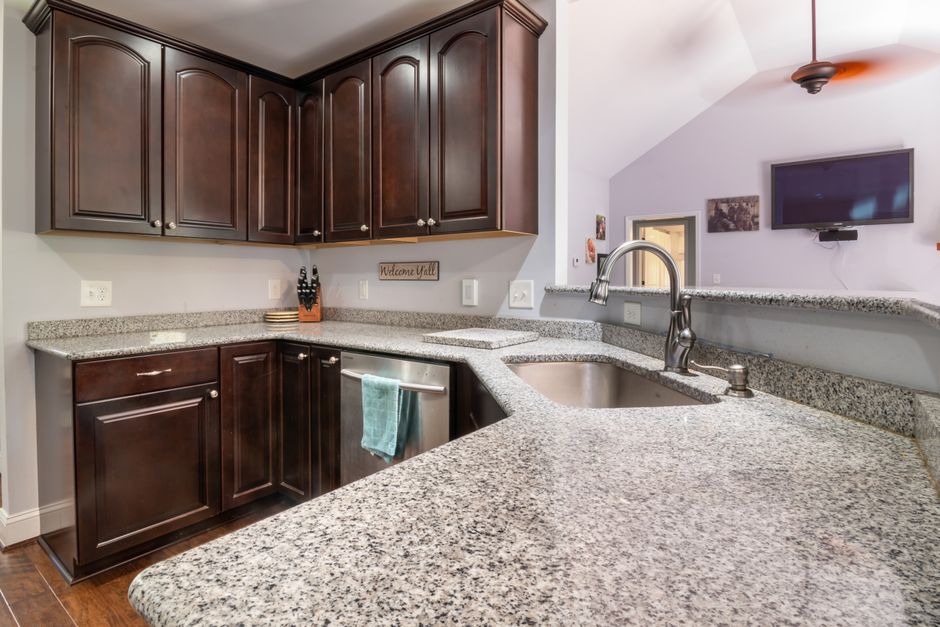
The template is laid over the chosen slab before any cut is made. This is where the fabricator places veining, color movement and seams. Granite, marble and quartzite move a lot across a slab, so a sink cutout can land on a dark band or a clean run of white depending on a few inches. Quartz is more uniform, but the layout still decides where pieces meet.
Cutting and edges
Slabs are cut with bridge saws or CNC machines, with water running on the cut. The water cools the blade and keeps the stone dust down. The edge profile is shaped next, then polished through a series of progressively finer diamond abrasives. An eased edge takes the least work. A built-up or ogee profile takes the most, and the polish shows every skipped grit.
Seams
A seam falls where a run is longer than the slab, or where the layout calls for one, such as at an inside corner. Seam placement is a decision made on the slab with the template, not on site with a pencil. Joints are filled with color matched epoxy or adhesive. A long run will sometimes need one, and no fabricator can promise otherwise.
Setting and sealing
Installers use seam setters with vacuum cups to pull the pieces tight and level before the adhesive sets. Working time matters, and hot dry days in the Inland Empire, especially during santa ana winds, are worth planning around. Undermount sinks are bonded to the stone and held with clips or brackets. Natural stone such as granite or marble is commonly sealed with a penetrating sealer after the set. Quartz does not need sealing.