Countertop Chip and Crack Repair in Riverside, CA
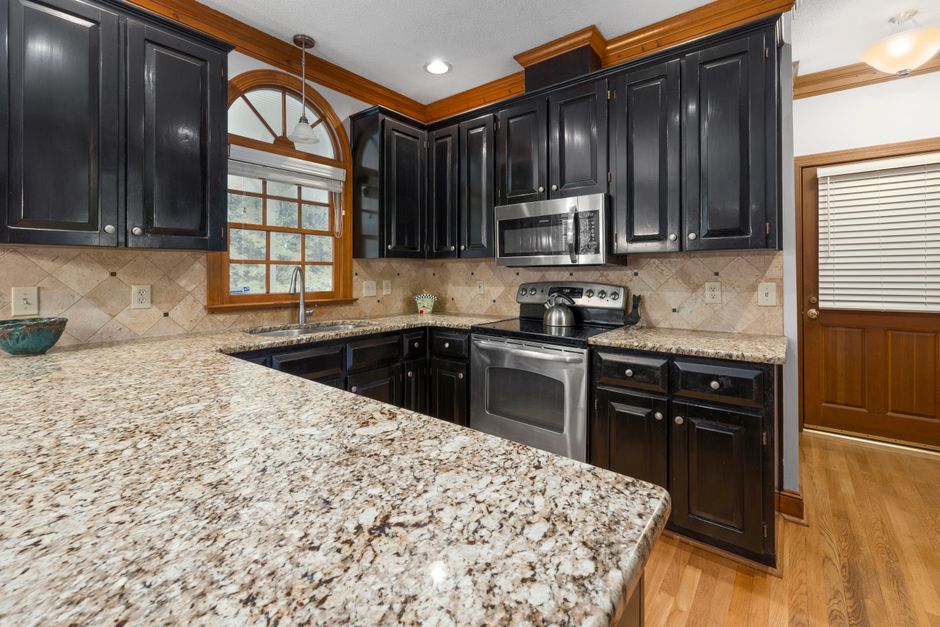
A chipped stone countertop can usually be repaired, and many cracked ones can be too, but the crack has to be read correctly first. A chip is a surface problem. A crack can be a surface problem or a sign that the stone is moving, and the two call for very different fixes.
Start With the Chip: Usually a Straightforward Fix

Most small chips in granite and quartzite can be repaired. A technician fills the chip with a clear or color tinted epoxy or acrylic resin, lets it cure, shaves it flush with a razor blade, then polishes the spot to match the surrounding sheen.
If the chip broke off in one clean piece, save it. A clean fragment can often be bonded back in place, and that usually looks better than a fill. Keep the piece dry and do not glue it yourself with household adhesive first. Hardware store super glue does not perform like a color matched stone repair resin, and a bad glue job makes the professional repair harder.
Where chips happen
Chips cluster on the front edge near the sink and dishwasher, where pots, cast iron pans and dishes get swung into the stone. Square and thin eased edges chip more readily than rounded profiles such as bullnose or half bullnose. If the same edge keeps chipping, the profile is part of the story.
Quartz needs a more honest expectation
Engineered quartz can be repaired for chips, but color matching is harder on solid and light colors than on busy patterned stone. A repair on plain white quartz will be more noticeable than one on speckled granite. No repair is guaranteed to vanish on every stone and color, and a good technician will say so up front.
Cracks: Read Them Before Touching Them
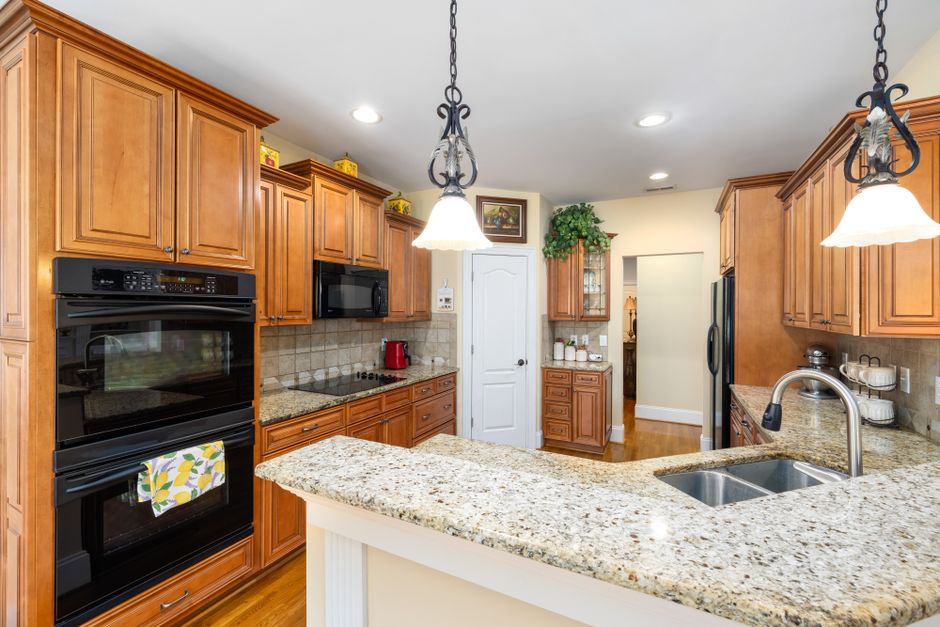
Cracks most often start at the corners of a sink cutout or cooktop cutout. Those corners concentrate stress, and the narrow strip of stone in front of an undermount sink is the weakest part of the whole top. A hairline crack is not always purely cosmetic, so it deserves a look even when it seems minor.
The fingernail and light test
Run a fingernail across the crack, then look along it in raking light, such as a flashlight held low and to the side. If one side sits higher than the other, the stone is moving. That points to a support problem, not just a cosmetic flaw.
Fix the support first
Check that the cabinets are level, that shims have not shifted, and that no cabinet face or support has sagged. A crack filled over a stone that is still flexing will usually reopen. Sealer does not close or fix a crack either; it only affects how the stone takes up liquid.
Crack or failed seam?
Seams are straight, deliberately placed joints filled with color matched epoxy. A failed seam can often be cleaned out, realigned and refilled. A crack, by contrast, wanders with the stone's grain or radiates from a cutout. Knowing which one you have saves a lot of confusion when talking to a repair specialist.
Riverside Conditions That Cause or Complicate Damage
Earthquakes
Riverside sits in an active seismic region. After a noticeable earthquake, check seams, sink corners and overhangs for new hairline cracks or lippage, which is one edge sitting higher than its neighbor. Catching them early keeps water out and makes the repair simpler.
Hard water and hidden cracks
Riverside's water is typically hard, so mineral crust builds up around faucets. Homeowners often scrub it off with vinegar or acidic descalers, which will etch marble and many limestones. A stone safe cleaner and a plastic scraper are the better choice.
That same buildup can hide hairline cracks. Water wicking into a crack can also leave white deposits or a dark damp line. If you see either, clean the area and inspect it closely.
Heat, indoors and out
Quartz contains resin binders, so a hot pan can scorch, yellow or crack it. Scorch marks generally cannot be filled away like a chip. Granite handles heat better, but it is not heat proof: a very hot pot set on cold stone can cause thermal shock cracking, especially at a thin section near a cutout. Trivets are cheap insurance on any stone.
Heat also affects the repair itself. Resin cure time depends on temperature, and in a hot Riverside summer kitchen or a patio kitchen, working time shortens. A fill can set before it is properly worked in. Repairs go best in shade and moderate temperatures, not in direct afternoon sun.
Outdoor kitchens
Outdoor kitchens are common here, and strong inland sun yellows many standard epoxy and polyester repairs over time. Ask for a UV stable repair product on any exposed countertop. Engineered quartz is generally not recommended outdoors because it can fade and discolor in sun.
Everyday Habits That Cause Cracks
- Never stand or kneel on a countertop to reach a light fixture or upper cabinet. Concentrated body weight near a sink cutout is a common cause of a sudden crack.
- Large overhangs at islands and breakfast bars need brackets or corbels underneath. People leaning or sitting on an unsupported overhang is a classic cause of a crack running back toward the cabinet line.
- Set hot cookware on a trivet rather than directly on the stone.
Moisture, Rods and Other Hidden Factors
A crack or chip near the sink must be completely dry before it is filled. Trapped moisture can darken the stone around the repair or weaken the bond. A good technician will dry the area and may wait before filling.
Some fabricators reinforce narrow sections near sinks with embedded rods. In older installs, a steel rod can rust and cause an orange or brown stain or a crack along its line. Fiberglass rods avoid the rust problem. If a crack follows a straight line with rust colored staining, mention that to the repair specialist.
Not Every Damaged Surface Is a Chip
Marble etching
Dull, rough spots on marble come from acids such as citrus, vinegar, wine and acidic cleaners. That is etching, not a chip, and it is fixed by honing and polishing, not by filling.
Cultured marble vanities
Many 1970s through 1990s Riverside homes have cultured marble vanity tops, which are not natural stone. Crazing or cracking around their drains, often from hot water, needs gel coat repair methods rather than stone repair.
After the Repair
On natural stone, check the repaired area with a water drop test. If drops darken the stone within a few minutes, reseal. How often to reseal depends on the stone and how it is used, so test rather than following a fixed calendar.
DIY or Call a Pro?
Small, stable chips suit a quality DIY kit. Call a fabricator or stone repair specialist for any of these:
- Cracks that run through the full thickness of the stone
- Cracks that move or show uneven edges
- Missing pieces at a seam
- Damage at a sink cutout
Why Repair Beats Replacing One Piece
Replacing a single damaged section is rarely ideal. Natural slabs vary from lot to lot, so a new piece almost never matches exactly. Repairing the original stone usually gives the better looking result. And a cracked stone countertop does not automatically need to be replaced; once the cause is found and the support is sound, a skilled repair often brings the surface back to a clean, durable finish.